Wilhelm von Gloeden and the Queer Art of National Geographic
Abstract
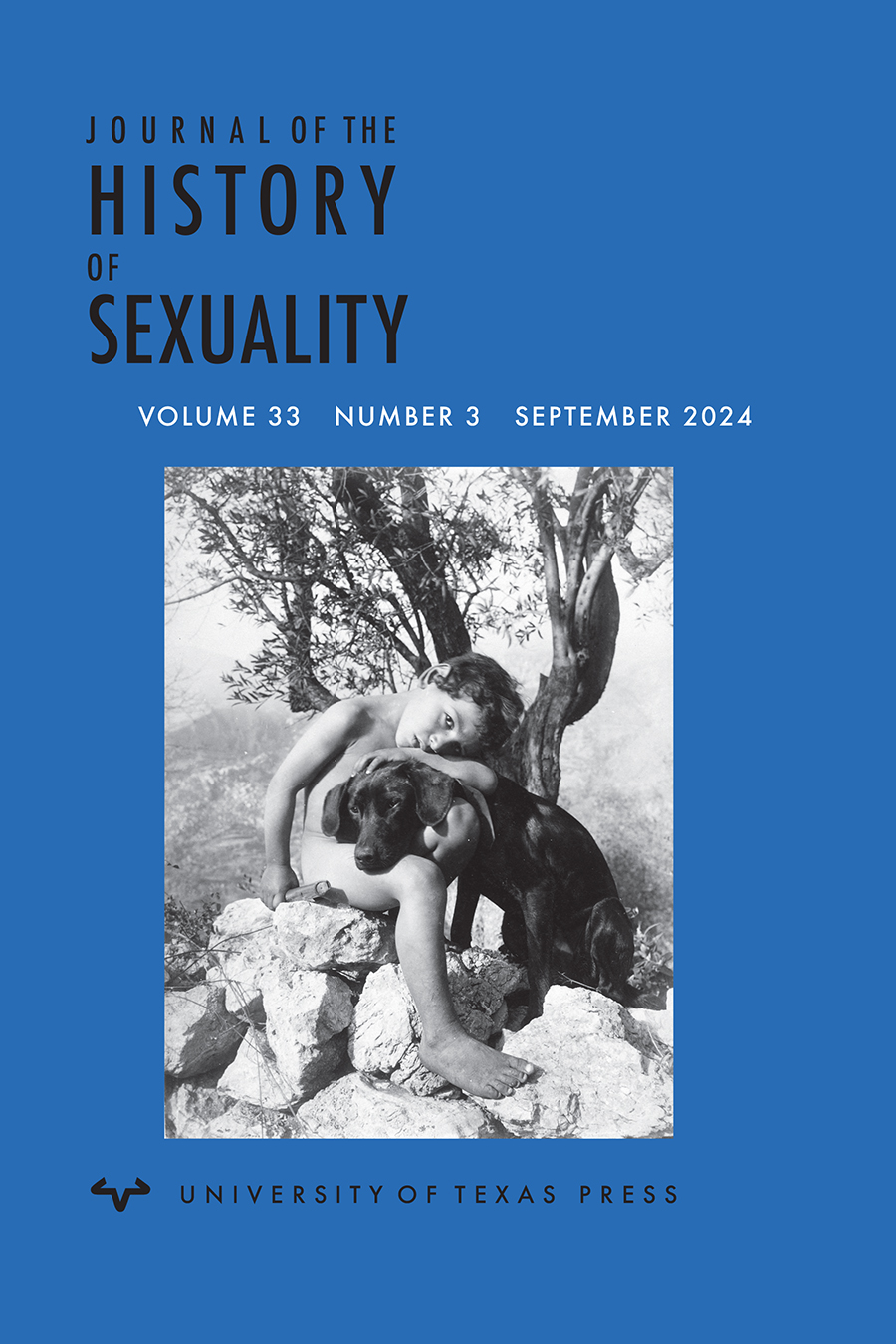
Founded in 1888, the National Geographic Society supported the popularization of geographical knowledge, anthropology, archaeology, and the natural sciences. Under the guise of scientific knowledge, the society’s flagship journal published photographs of individuals in faraway countries. These photographs were both educational and titillating. This article focuses on photographs by Wilhelm von Gloeden (1856–1931) published in a December 1909 article of the National Geographic Magazine. The editors published von Gloeden’s photographs alongside a presumably objective travel report. Yet these images did more than showing life in Sicily. As an expression of a longer homoerotic cultural tradition, von Gloeden’s photographs entangled the readers in a transhistorical web of queer desire by transporting them to a mythical ancient past where same-sex desire was condoned: they took readers to Arcadia, and they allowed them to imagine sexual escapades with underage boys and benefit from the same impunity Northern European travelers had long enjoyed on the island. By portraying Sicily in this light, the magazine documented the island’s history of sex tourism. Looking at von Gloeden’s photographs in the unusual context of this magazine allows us to foreground their connection to histories of orientalism, racialization, and abuse. Rather than to disavow them outright, we should see these pictures as evidence of a queer history of erotic fantasies, desires, and practices that are seemingly at odds with issues of equality and consent central to contemporary queer politics.