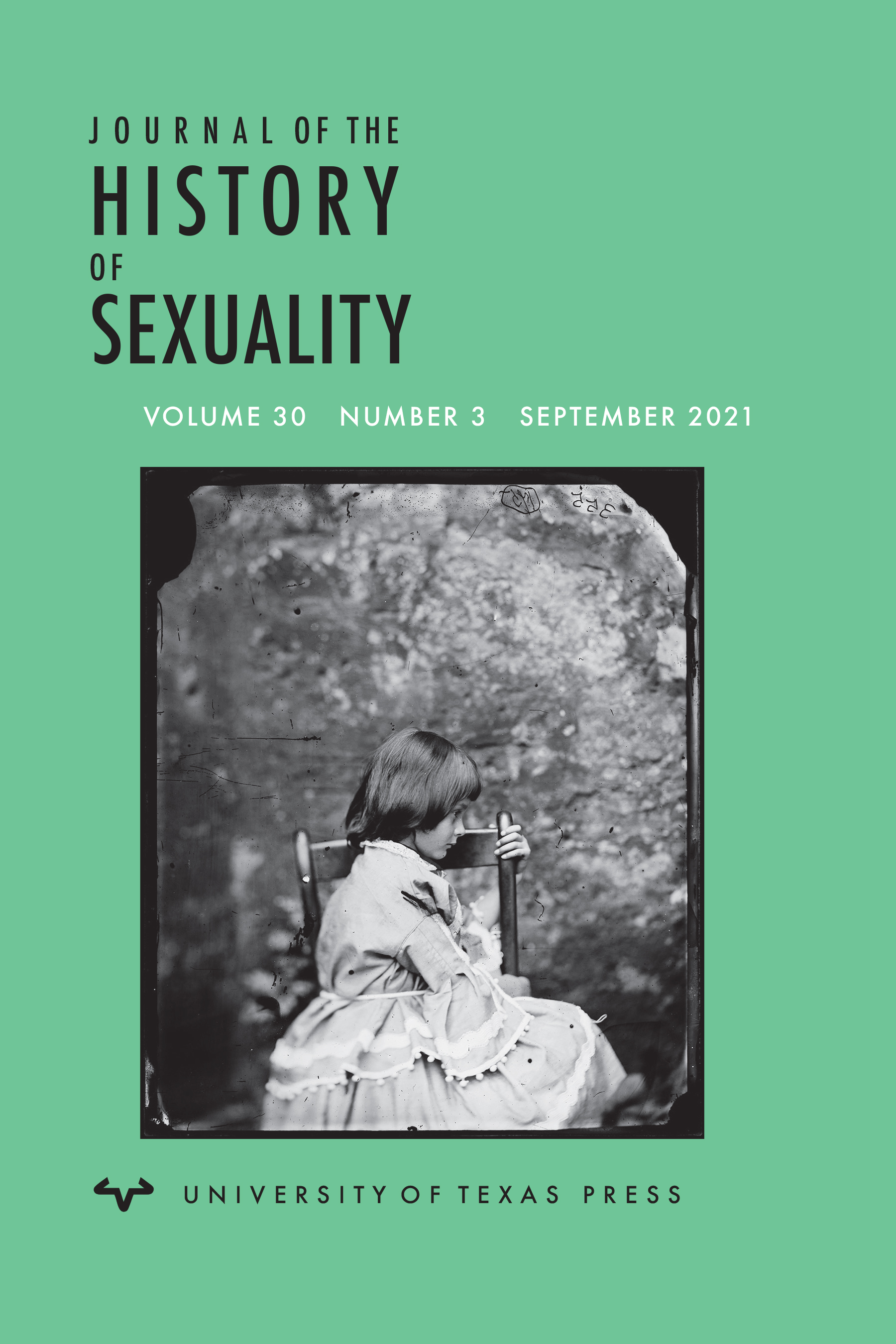
Sexual Identity at the Limits of Liberalism
The Politicization of Nature in the Work of Karl Heinrich Ulrichs (1825-1895)
Abstract
This paper describes the historical emergence of the modern concept of sexual identity. I focus on the nineteenth-century German jurist Karl Heinrich Ulrichs, who defended the legal rights of “Urnings” (roughly similar to homosexual men). Wary of the strength of the German liberal tradition, he wanted to achieve the liberal goal of ending the prosecution of same-sex sex without actually having to repeal what were profoundly illiberal laws. He argued that Urnings have their own “nature,” and therefore that laws that condemn “unnatural” sex do not apply to them. An Urning who engages in same-sex sex is following his nature. With this argument Ulrichs created a legally-defined category for men who love men. This was the first step toward the modern concept of (homo)sexual “identity.”